









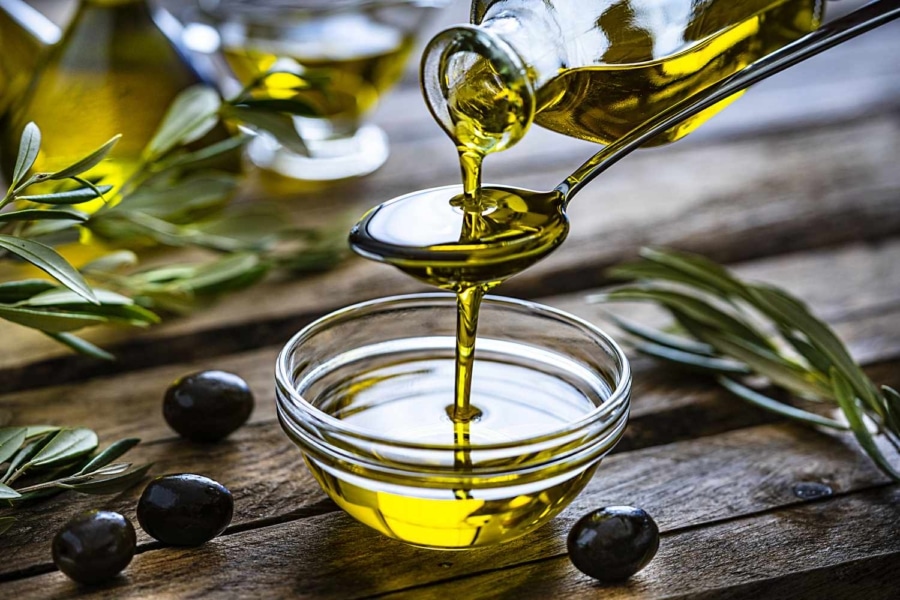
Understanding Olive Oil
Olive oil is one of the most frequently used cooking and baking ingredients in the kitchen, enjoyed by many cultures in countless dishes for millenia. Every day around the world, tens of millions of home cooks and bakers roast, fry, saute, bake, drizzle and garnish with it. We’ve all been seduced by advertising featuring picturesque landscapes of olive groves on some gorgeous sunlit Mediterranean coastline.
But walk down the olive oil aisle at any grocery store and you’ll face a bewildering array of choices. Bottles range from budget-friendly options under ten dollars to premium selections commanding fifty dollars or more. With labels boasting terms like “extra virgin,” “cold-pressed,” and “first harvest,” how do you know which bottle deserves a place in your kitchen? More importantly, when does that expensive bottle truly make a difference, and when will a basic variety work just fine?
So what is olive oil?
Before diving into how best to use all the different grades of olive oil out there, it’s essential to understand what you’re actually buying. Olive oil is a fruit oil because it is extracted from the fruit of the olive tree, not from a seed, and the process is similar to juicing fruit. Olives are botanically classified as a stone fruit, and the oil is produced by crushing or pressing the olive flesh.
Another fruit oil gaining popularity for its high smoke point (which means it’s better for frying and sauteing) is avocado oil. These two popular fruit oils are different than seed oils like canola, corn, and grapeseed, which often require chemical processes and high heat to process for final use in your kitchen. No doubt you’ve heard the vigorous debate around just how healthy seed oils are, but that’s for another blog post!
Understanding Olive Oil Grades
There are four grades of olive oil, ranked here from least refined to most refined (and generally speaking, most expensive to least expensive):
- Extra virgin olive oil represents the highest grade of olive oil, made from pure, cold-pressed olives without heat or chemicals. It contains no more than 0.8% acidity and offers the most robust flavor and aroma. This is the olive oil that truly tastes like olives, with fruity, peppery, or grassy notes depending on the variety.
- Virgin olive oil, slightly lower in quality, has a bit more acidity (up to 2%) and less pronounced flavor.
- Pure olive oil or simply “olive oil” is typically a blend of refined olive oil and virgin olive oil, offering a neutral taste and lighter color.
- Light olive oil is a refined olive oil with a significantly milder, neutral flavor and a lighter color than traditional olive oils like extra virgin olive oil. Light olive oil is generally the least expensive of the olive oils, and has the highest smoke point.
Frying & Sautéing
You may have heard about high smoke point and low smoke point oils, but what does that mean? The smoke point is the specific temperature at which an oil begins to break down. When a cooking oil with a low smoke point is heated past its breaking point, it will begin to smoke and impart bitter, burnt flavors to your food.
The first three grades of olive oil above are considered low smoke point oils. To avoid a low smoke point oil breaking down under high head, use these low smoke point oils only for low-heat cooking methods like gentle sautéing, baking, roasting, or as a finishing oil for dishes like salad dressings. Use high-smoke-point oils (like seed oils) for high-heat cooking like deep-frying or searing.
What about light olive oil? It contains the same number of calories and grams of fat as other olive oils, but has fewer antioxidants and a higher smoke point, making it (along with avocado oil and seed oils) suitable for high-heat cooking methods such as frying and sautéing, where a distinct olive flavor is not desired.
When to Use Premium Olive Oil
Invest in high-quality extra virgin olive oil when it will be tasted directly or featured prominently in a dish. The star moments for premium olive oil include finishing dishes, where a drizzle adds that final flourish. A fruity, peppery extra virgin olive oil transforms simple preparations like grilled vegetables, fresh mozzarella and tomatoes, or crusty bread into something memorable.
Salad dressings showcase olive oil’s flavor beautifully. When making vinaigrettes or simple lemon and oil dressings, a quality extra virgin olive oil contributes complexity that cheap alternatives simply can’t match. The same applies to dipping oils for bread, where the olive oil is essentially the entire experience.
Cold preparations like pesto, hummus, or white bean dip benefit enormously from premium olive oil. Since these dishes aren’t cooked, the oil’s nuanced flavors remain intact and prominent. Similarly, when making dishes from Mediterranean cuisines where olive oil plays a central role—think Italian, Greek, or Spanish recipes—using authentic, high-quality oil honors the dish’s origins and delivers superior results.
Pay attention to freshness when splurging. Look for harvest dates on bottles (rather than just “best by” dates) and choose oils from the most recent harvest. Quality producers proudly display this information because fresh olive oil tastes dramatically better than old oil.
When to Use Basic Olive Oil
Reserve your budget-friendly olive oil for high-heat cooking methods. When sautéing, pan-frying, or roasting at temperatures above 375°F, the delicate flavors and beneficial compounds in expensive extra virgin olive oil break down anyway. A basic olive oil or even “light” olive oil works perfectly fine and won’t make you cringe about heating an expensive bottle.
Baking represents another excellent opportunity to save. While some traditional Mediterranean cakes or focaccias might benefit from a fruity olive oil, most baked goods don’t showcase the oil’s flavor enough to justify premium prices. The other ingredients—sugar, chocolate, spices—dominate the final taste.
When making large batches of anything, consider using everyday olive oil to stretch your budget. If you’re preparing a massive pot of marinara sauce for canning or hosting a crowd, start with regular olive oil for cooking and consider finishing individual servings with a drizzle of the good stuff.
Cooking heavily spiced or flavored dishes also doesn’t require premium oil. If you’re making a curry loaded with ginger, garlic, and chilies, or a BBQ-based dish with bold sauces, those powerful flavors will completely mask the olive oil’s subtle notes.
Building Your Olive Oil Strategy
The smartest approach? Keep both types in your kitchen. Stock a reliable, affordable olive oil for everyday cooking and heat applications, and maintain a bottle of quality extra virgin for finishing, dressings, and special preparations. This two-bottle system ensures you’re not wasting money heating expensive oil or missing out on flavor when it truly matters.
Store both bottles properly—in a cool, dark place away from the stove—and use them within a few months of opening. Even the finest olive oil degrades over time, so buy quantities you’ll actually use.
At The Culinary Center of Kansas City, we host hundreds of classes a year that can teach you the basics of cooking, frying, and sautéing using olive oil and other fats. Understanding when to splurge and when to save on olive oil isn’t about being cheap or extravagant—it’s about being smart. By matching the right oil to the right application, you’ll elevate your cooking without breaking the bank, ensuring every drop of olive oil in your kitchen serves its highest purpose.
Published: Oct. 6, 2025
ABOUT THE CULINARY CENTER OF KANSAS CITY
Founded in 1996, The Culinary Center of Kansas City is the Midwest’s premier culinary arts center dedicated to food, wine, and culinary education. Located in a historic restored buggy barn in downtown Overland Park, Kansas, the CCKC offers cooking classes, interactive events, private dining experiences, team-building programs, and a curated Kitchen Shop. For more information, visit kcculinary.com or call 913-341-4455.
Contact: Darren Palmet, Co-owner of The Culinary Center of Kansas City | 913-341-4455 | darren@kcculinary.com