









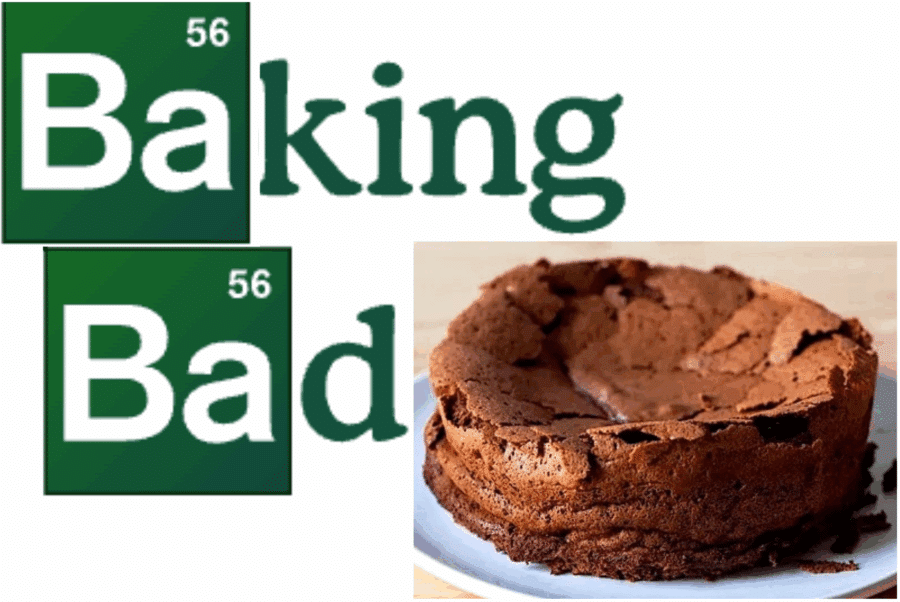
Why Did My Cake Fall? Why Didn’t It Rise At All?
We’ve all been there: you follow the recipe perfectly, slide your beautiful, risen cake out of the oven, and within minutes watch in horror as it collapses into a sad, dense pancake. At The Culinary Center of Kansas City, this is one of the most common baking questions we hear. After teaching hundreds of baking classes and witnessing countless cake catastrophes, we’ve identified the main culprits behind fallen cakes—and more importantly, how to prevent them.
Understanding the Science of Rising
Before we dive into what goes wrong, let’s understand what should go right. Cakes rise through a combination of chemical leaveners (baking powder and baking soda), air incorporation (through creaming butter and sugar or whipping eggs), and steam created by moisture in the batter. These elements work together to create tiny air pockets that expand when heated, giving your cake its light, fluffy texture. When any part of this delicate system fails, your cake suffers.
Culprit #1: Expired or Insufficient Leavening Agents
Baking powder and baking soda are the workhorses of cake rising, but they don’t last forever. Baking powder loses its potency after about 18 months, while baking soda can last longer but still degrades over time. You can test the potency of your leavening agents by dropping a bit into water or vinegar. If it doesn’t fizz vigorously, it’s time for fresh supplies.
Even with fresh leaveners, using too little will result in a dense, flat cake. Conversely, too much can cause your cake to rise too quickly and then collapse spectacularly. Always measure carefully and level off your measuring spoons—baking is chemistry, and precision matters.
Culprit #2: Overmixing the Batter
This is the most heartbreaking mistake we see because it comes from good intentions. Students want to ensure everything is perfectly combined, so they mix and mix until the batter is completely smooth. Unfortunately, too much mixing overdevelops the gluten in flour, creating a tough, dense cake that struggles to rise properly.
The key is mixing just until ingredients are combined—a few lumps are perfectly fine and will disappear during baking. When adding dry ingredients to wet, use a gentle folding motion and stop as soon as you don’t see dry flour. For butter cakes, cream the butter and sugar until light and fluffy, but once you add flour, treat it gently.
Culprit #3: Incorrect Oven Temperature and Opening the Door
Oven thermometers are one of the best investments any baker can make because most home ovens run 25-50 degrees off from their settings. If your oven is too cool, your cake won’t set properly before the leavening agents exhaust themselves. If it’s too hot, the outside will set before the inside rises, creating a dome that often cracks and falls. We sell some great oven thermometers in our Kitchen Shop.
Equally important is resisting the urge to check on your cake too early. Every time you open the oven door, the temperature drops dramatically. A general rule to follow: don’t open the door until at least 75% of the baking time has passed. We teach our students to rely on visual and aromatic cues—when the cake starts pulling slightly from the sides of the pan and smells done, it’s time to test with a toothpick.
Culprit #4: Ingredient Temperature and Measurement Issues
Room temperature ingredients are crucial for proper emulsification and rising. Cold eggs won’t incorporate properly with butter, creating a broken batter that can’t trap air effectively. Cold butter won’t cream properly with sugar, failing to create the air pockets essential for rising. We recommend taking eggs and dairy out of the refrigerator at least an hour before baking.
Measurement accuracy is equally critical. Too much liquid creates a batter that’s too heavy to rise, while too much flour makes it too dense. We always recommend weighing ingredients when possible—a digital scale is far more accurate than measuring cups, especially for flour, which can vary dramatically in volume depending on how it’s packed.
Culprit #5: Old Eggs and Environmental Factors
Fresh eggs have stronger proteins that hold air better, contributing to better rise and structure. Eggs older than three weeks can cause rising problems. Keep track of how old your eggs are by writing the purchase date on the carton.
Environmental factors matter more than many bakers realize. Humidity affects flour’s moisture content, altitude changes how leavening agents behave, and even the material of your baking pans can impact heat distribution and rising.
While altitude is not a concern in the greater Kansas City area, we will share some tips in case altitude is a factor. To account for high altitude baking, increase the oven temperature by 15-25°F, decrease the baking time by 5-10 minutes per 30 minutes of cooking, reduce leavening agents (like baking powder and soda), decrease sugar, add more liquid (like water or milk), and add a bit more flour to strengthen the structure. These adjustments help baked goods set quickly and prevent them from collapsing due to lower air pressure.
Prevention and Recovery Tips
The best way to prevent fallen cakes is to follow recipes exactly, especially when you’re learning. Use fresh ingredients, measure accurately, don’t overmix, and resist opening the oven door prematurely.
If your cake does fall, don’t despair—turn it into a trifle, cake pops, or crumb topping for future baking projects. Every baker has cake disasters, and they’re often the best learning experiences.
Ready to master the science of baking and prevent future cake catastrophes? Join us for our hands-on baking classes where you’ll learn these techniques and more in a supportive environment where mistakes become learning opportunities.
Published: Sept. 15, 2025
ABOUT THE CULINARY CENTER OF KANSAS CITY
Founded in 1996, The Culinary Center of Kansas City is the Midwest’s premier culinary arts center dedicated to food, wine, and culinary education. Located in a historic restored buggy barn in downtown Overland Park, Kansas, the CCKC offers cooking classes, interactive events, private dining experiences, team-building programs, and a curated Kitchen Shop. For more information, visit kcculinary.com or call 913-341-4455.
Contact: Darren Palmet, Co-owner of The Culinary Center of Kansas City | 913-341-4455 | darren@kcculinary.com