







Do Social Media Recipes Actually Work?
The short answer: Sometimes, but often with significant caveats.
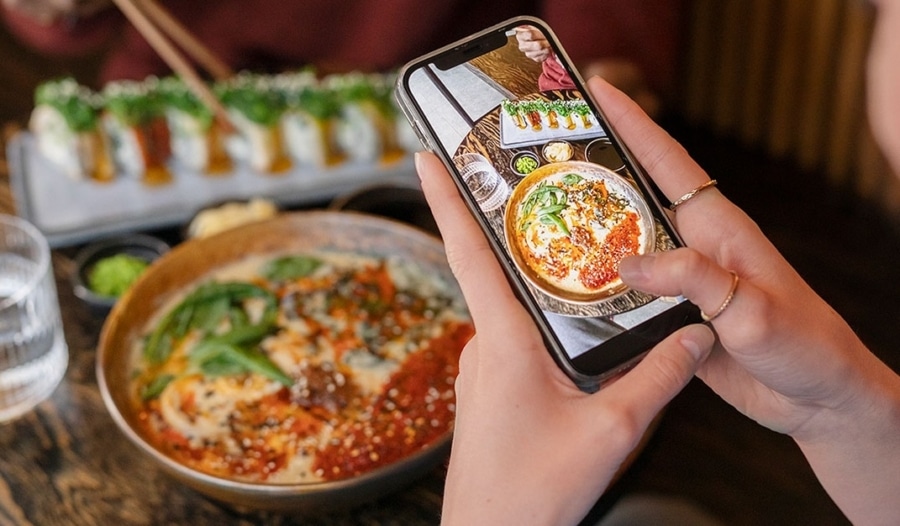
We’ve all been there. You’re scrolling through Instagram or TikTok, and suddenly a 60-second video pops up showing someone effortlessly whipping up what looks like restaurant-quality pasta or the fluffiest pancakes you’ve ever seen. The comments are flooded with fire emojis and “OMG trying this tonight!” But here’s the question our professional chefs get asked constantly: Do these viral recipes actually work?
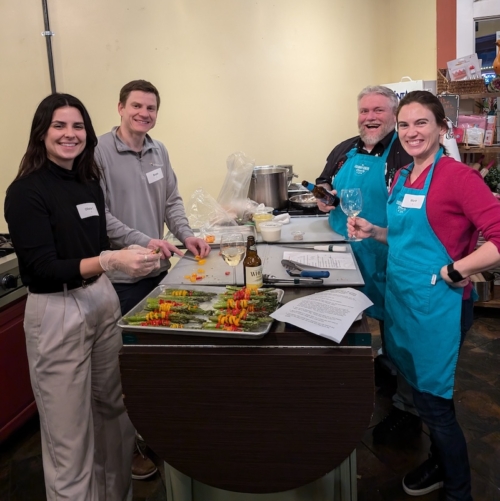
Our chefs teach over 500 cooking classes annually, and they’ve seen countless people attempt social media recipes. We got an earful when we asked them what they thought.
The Reality Behind Viral Recipe Videos
Social media recipes face a fundamental challenge – they need to be visually stunning and quick enough to hold attention in a 15-60 second window. This creates several issues that we see repeatedly:
Missing Critical Details
Professional cooking relies heavily on technique, timing, and precision. A 30-second TikTok simply cannot convey the nuances that make a dish successful. For example, when a video shows someone “quickly sautéing onions until translucent,” they’re skipping crucial details like:
- What heat level to use
- How finely to chop the onions
- How to tell when they’re actually ready
- What to do if they start burning
Equipment & Ingredient Assumptions
Many viral recipes assume you have specific equipment or ingredients without mentioning alternatives. That “quick weeknight pasta” might require a pasta machine, specific type of flour, or aged Parmigiano-Reggiano that costs $30 per pound.
The Editing Magic
What looks like a seamless 60-second process might actually take hours. Professional food styling, multiple takes, and clever editing can make even the most complex techniques appear effortless.
Which Social Media Recipes Tend to Work Better?
Through our experience, certain types of viral recipes have higher success rates:
More Likely to Succeed:
- Simple baked goods with basic ingredients (chocolate chip cookies, banana bread)
- No-cook recipes (overnight oats, salads, smoothies)
- One-pot meals with flexible ingredients
- Basic techniques with visual cues (scrambled eggs, roasted vegetables)
More Likely to Fail:
- Advanced baking requiring precise measurements (macarons, soufflés, croissants)
- Techniques requiring years of practice (knife skills, sauce-making)
- Recipes with critical timing elements not fully explained
- Dishes requiring specialized equipment not mentioned in the video
What Our Chefs Recommend
Start with Fundamentals
Before attempting viral recipes, master basic techniques. In our cooking and baking classes, we spend time on foundational skills because they’re the building blocks for everything else. Understanding how to properly:
- Control heat
- Season food
- Recognize doneness
- Handle knives safely – we offer a popular course on Knife Skills monthly
These skills will help you adapt when social media recipes inevitably need adjustments.
Use Videos as Inspiration, Not Gospel
Treat viral recipes as starting points rather than definitive instructions. If a TikTok pasta dish catches your eye, research the traditional version, understand the technique, then try the viral variation.
Look for Red Flags
Be skeptical of recipes that:
- Promise professional results in impossibly short timeframes
- Skip fundamental steps (like not mentioning oven preheating)
- Use vague measurements (“a splash of this, a handful of that”)
- Don’t mention potential failure points or troubleshooting
The Value of Proper Culinary Education
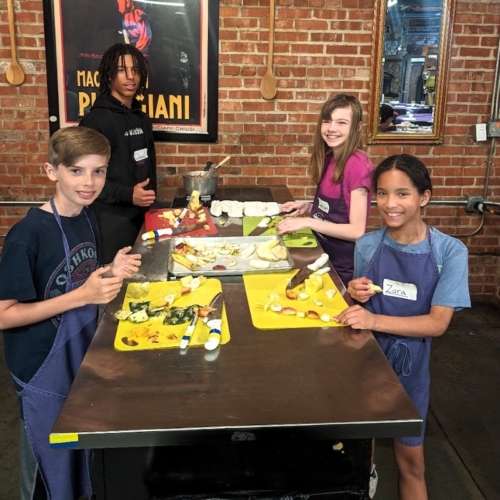
While social media can provide inspiration and introduce you to new cuisines, there’s no substitute for hands-on learning with experienced instructors. In our classes, students learn not just what to do, but why they’re doing it. This understanding allows them to:
- Troubleshoot when things go wrong
- Adapt recipes to their taste and dietary needs
- Understand the science behind cooking
- Build confidence in the kitchen
Making Social Media Recipes Work for You
If you want to try that viral recipe, here are our professional tips:
Do Your Research
Look up the traditional version of the dish. Understanding the classic technique will help you identify what corners the viral version might be cutting.
Read All the Comments
Often, people who’ve attempted the recipe share crucial tips or warn about problems in the comments section. This crowd-sourced troubleshooting can be invaluable.
Have a Backup Plan
Keep backup ingredients on hand or know what you’ll order for dinner if the recipe fails spectacularly.
Practice Makes Perfect
Don’t expect social media recipe success for a dinner party. Try new recipes when you have time to experiment and potentially fail.
Invest in Quality Basics
Good ingredients, proper equipment, and reliable measuring tools will improve your success rate with any recipe, viral or traditional.
The Bottom Line
Social media recipes can be a fun way to discover new flavors and techniques, but they’re not a replacement for solid culinary education. The most successful home cooks we see combine inspiration from various sources – including social media – with fundamental cooking knowledge.
At The Culinary Center of Kansas City, we’ve seen students transform from viral recipe failures into confident home chefs who can adapt any recipe to their needs. The difference? Understanding the ‘why’ behind the ‘what.’
Ready to build real cooking confidence? Our hands-on classes cover everything from knife skills to advanced pastry techniques. Unlike viral videos, our instructors are right there to answer questions, demonstrate techniques up close, and help you troubleshoot in real-time.
Browse our upcoming classes and start your culinary journey with proper guidance. Because while social media might give you inspiration, solid technique gives you consistent, delicious results every time.
Published: August 4, 2025
About The Culinary Center of Kansas City
Founded in 1996, The Culinary Center of Kansas City is the Midwest’s premier culinary arts center dedicated to food, wine, and culinary education. Located in a historic restored buggy barn in downtown Overland Park, Kansas, CCKC offers cooking classes, interactive events, private dining experiences, team-building programs, and a curated Kitchen Shop. For more information, visit kcculinary.com or call 913-341-4455.
Media Contact: Darren Palmet, Co-owner of The Culinary Center of Kansas City | 913-341-4455 | darren@kcculinary.com