









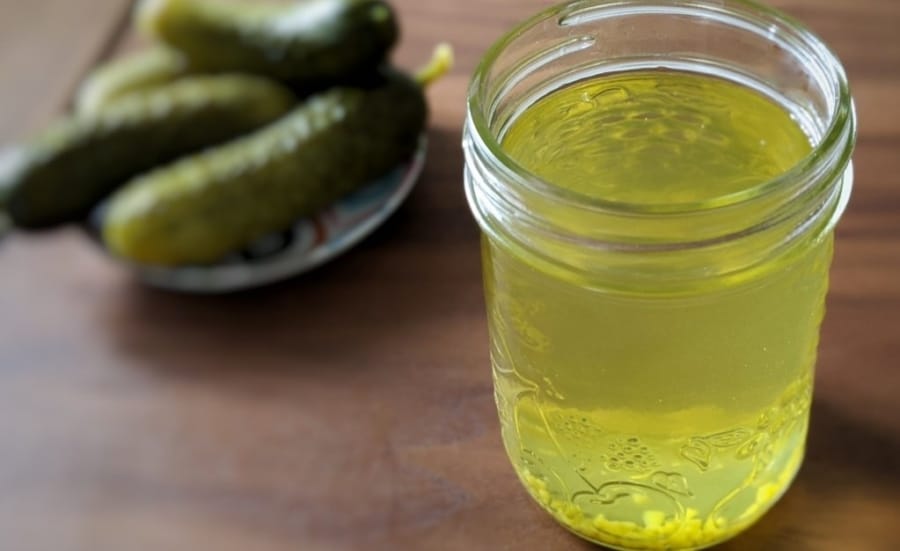
Don’t Dump That Pickle Brine? It Can Be Reused!
If you’ve ever polished off a jar of dill pickles and poured the leftover brine down the drain, it’s time to rethink your life choices. That salty, tangy liquid gold is more than just a pickle preserver – it’s a bold, flavorful ingredient in its own right. At The Culinary Center of Kansas City, we’re always looking for ways to stretch ingredients, reduce waste, and maximize flavor, and pickle brine is one of our favorite secret weapons in the kitchen.
Whether you’re a busy home cook looking for quick wins in the kitchen or a flavor-seeker eager to experiment with different brines, these ten clever uses for pickle brine will help you stretch your ingredients, reduce waste, and add bold, crave-able flavor to everyday dishes.
Unexpected & Delicious Ways To Use Dill Pickle Brine At Home
- Use as a Flavor Boosting Vinegar Substitute: Swap out vinegar in recipes like salad dressings, marinades, or even sauces with pickle brine. It adds not only acidity but built-in seasoning. Try it in coleslaw, pasta salad, or deviled eggs. It works especially well as a base for a vinaigrette. Most of us have made a basic vinaigrette with a classic ratio of three parts oil to one part vinegar. Keeping that ratio in mind, all you need to do is swap out the vinegar for pickle brine and you have yourself a dressing that is, well, ready to dress. Since most types of store-bought and home-made pickles are made in brine that incorporates vinegar, salt, traditional pickling spices and garlic (and occasionally, chilies), a brine-based vinaigrette will have a well-rounded flavor without the need to add more ingredients or salt. Try using pickle brine instead of lemon juice or vinegar when making homemade mayonnaise too. You’ll be impressed with the results.
- Quick Pickle Other Veggies: You can re-use the brine to quick-pickle sliced carrots, onions, radishes, green beans, or jalapeños. Let them sit in the brine for at least 1 hour, or overnight for more punch.
- Add to Potato or Pasta Cooking Water: Pour a bit of pickle brine into the water when boiling potatoes for salad or pasta for mac & cheese. It gives the starches a subtle but noticeable flavor boost.
- Mix into a Bloody Mary or Michelada: Add a splash of pickle brine to a Bloody Mary, Michelada (the Mexican version), or even a dirty martini for a salty, spicy twist. It’s bartender-approved and a great way to impress brunch guests!
- Add to Tuna or Egg Salad: Instead of (or in addition to) chopped pickles, stir some brine into your tuna, chicken, or egg salad for extra tang and moisture.
- Steam Vegetables with It: Add a couple tablespoons to the steaming water for broccoli, green beans, or cauliflower. It brightens the flavor without overpowering.
- Use in Rice or Grain Cooking Liquid: Add a few spoonfuls to the water when cooking quinoa, couscous, or white rice. It adds acidity and complexity without needing to measure out spices.
- Drizzle Over Roasted Vegetables: Toss roasted carrots, potatoes, or Brussels sprouts with a little brine right before serving – it works like a vinaigrette without the extra work.
- Freeze It for Later: Accumulated too much brine? Pour it into ice cube trays and freeze. Use cubes later in sauces, stews, or wherever you need a hit of flavor.
- Brine Proteins Before Cooking: This is our favorite way to use pickle brine and the one we think gives you the most bang for your buck. Brining proteins allows them to hold more water during cooking. The result: more flavorful, tender meat!
How To Find A High-Quality Brine
Not all pickle brines are created equal, and the flavor of your final dish will only be as good as the brine you start with. Choosing high-quality pickles means you’re also getting a well-balanced, aromatic brine made with real spices, garlic, and fresh dill – not just vinegar and artificial flavorings. Look for pickles with minimal ingredients and no added dyes or preservatives for the best results.
A thoughtfully crafted brine will deliver depth, brightness, and complexity to whatever you’re cooking, whether it’s marinating meats, dressing a potato salad, or seasoning your grains. If you love the taste of the pickle, chances are you’ll love what the brine can do in your kitchen. So experiment and have fun with it!
Published: July 7, 2025
ABOUT THE CULINARY CENTER OF KANSAS CITY
Founded in 1996, The Culinary Center of Kansas City is the Midwest’s premier culinary arts center dedicated to food, wine, and culinary education. Located in a historic restored buggy barn in downtown Overland Park, Kansas, the CCKC offers cooking classes, interactive events, private dining experiences, team-building programs, and a curated Kitchen Shop. For more information, visit kcculinary.com or call 913-341-4455.
Contact: Darren Palmet, Co-owner of The Culinary Center of Kansas City | 913-341-4455 | darren@kcculinary.com