








Simple Ways To Elevate Your Cooking
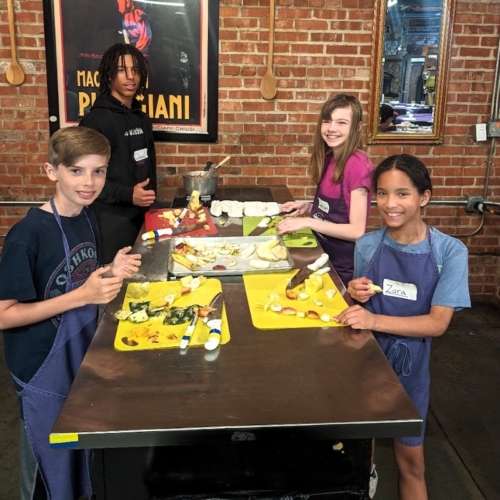
At The Culinary Center of Kansas City, one of the most transformative moments happens when guests discover that great cooking isn’t about complicated recipes or expensive equipment—it’s about understanding how to season properly. After teaching over 500 cooking classes each year, we’ve watched countless home cooks experience that “aha!” moment when they realize that salt and pepper, while essential, are just the beginning of a flavorful journey that can elevate any dish from ordinary to extraordinary.
Understanding The Five Tastes
Before diving into specific seasonings, it’s crucial to understand that our palates recognize five distinct tastes: salty, sweet, sour, bitter, and umami. Great seasoning means creating harmony among these elements. Most home cooks focus heavily on salt (salty) and forget about the others, which is why restaurant food often tastes more complex and satisfying than home-cooked meals.
Building Flavor Layers
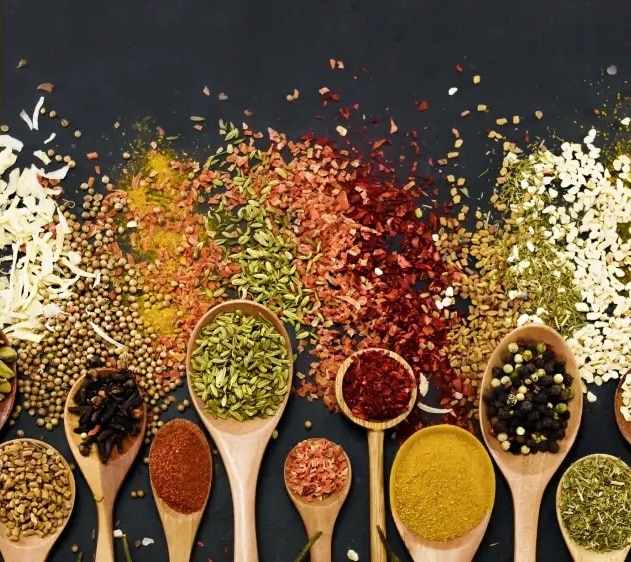
Think of seasoning like painting a masterpiece. Salt and pepper are your base coat, but the magic happens when you add layers of complexity. Garlic powder brings earthiness and depth, onion powder adds natural sweetness, and paprika contributes both vibrant color and subtle smokiness. These foundational seasonings work together to create depth without overwhelming the natural flavors of your ingredients.
Don’t overlook warming spices like cumin, coriander, and cinnamon. These don’t just belong in ethnic cuisines—a pinch of cumin can transform a simple roasted vegetable dish, while a touch of cinnamon adds unexpected warmth to savory meat preparations. In our classes, we often demonstrate how a tiny amount of unexpected spice can be the difference between “good” and “unforgettable.”
The Power of Acid: The Missing Element
One of the biggest revelations for our guests is learning that sourness is a crucial flavor component often missing from home cooking. Acid is the secret weapon that professional chefs use to make food taste brighter and more alive. A splash of lemon juice, a dash of vinegar, or even a pinch of citric acid can completely transform a dish.
Acid doesn’t just add tang—it enhances other flavors, making sweet ingredients taste sweeter and helping spices bloom more fully. It also cuts through richness, which is why a squeeze of lemon makes that buttery pasta dish or rich soup suddenly more balanced and crave-worthy. Different acids bring different personalities: lemon juice adds brightness, balsamic vinegar contributes sweetness and complexity, while white wine vinegar provides clean sharpness.
Fresh vs. Dried: Timing is Everything
Understanding when to use fresh versus dried herbs and spices is crucial for developing maximum flavor impact. Dried herbs like oregano, thyme, rosemary, and bay leaves should be added early in the cooking process—ideally during the sautéing stage—to allow their concentrated flavors to develop and meld with other ingredients. These sturdy herbs can withstand heat and actually benefit from longer cooking times.
Fresh herbs like basil, cilantro, parsley, and chives are delicate flowers that should be treated as such. Add them at the very end of cooking or use them as garnishes to preserve their bright, vibrant notes and prevent them from becoming bitter or losing their potency. This simple timing adjustment can dramatically improve your dishes and is something we practice extensively in our hands-on classes.
Heat and Aromatics: Unlocking Hidden Flavors
Don’t underestimate the transformative power of heat when it comes to spices. Warming whole spices like cumin seeds, coriander, fennel seeds, or black peppercorns in a dry pan before grinding releases their essential oils and creates deeper, more complex flavors. This technique, called blooming or toasting, takes just 30 seconds but can elevate your cooking exponentially.
Similarly, building an aromatic base—what French chefs call a mirepoix—with onions, garlic, and celery, or the Indian equivalent of onions, ginger, and garlic, creates a foundation that supports every other ingredient in the dish. These aromatics should be cooked until fragrant and slightly softened before adding other ingredients.
Umami: The Secret Fifth Taste
Umami, that savory “meatiness” taste, can be enhanced through ingredients like soy sauce, fish sauce, anchovies, tomato paste, mushrooms, and aged cheeses like Parmesan. Even a small amount of these umami-rich ingredients can add incredible depth to vegetarian dishes or amplify the savoriness of meat-based meals.
Trust Your Taste and Practice
The most important lesson we teach in every class is to taste as you go. Seasoning isn’t a one-time event—it’s an ongoing conversation with your food. Every ingredient brings its own saltiness, acidity, sweetness, and complexity to the party. Start with less, taste, adjust, and repeat. This iterative approach is how professional chefs work, and it’s a skill that improves with practice.
Ready to master the art of seasoning and transform your home cooking forever? Join us for one of our hands-on cooking classes where you’ll practice these techniques while creating delicious meals that showcase the power of proper seasoning.
Published: Sept. 2, 2025
ABOUT THE CULINARY CENTER OF KANSAS CITY
Founded in 1996, The Culinary Center of Kansas City is the Midwest’s premier culinary arts center dedicated to food, wine, and culinary education. Located in a historic restored buggy barn in downtown Overland Park, Kansas, CCKC offers cooking classes, interactive events, private dining experiences, team-building programs, and a curated Kitchen Shop. For more information, visit kcculinary.com or call 913-341-4455.
Media Contact: Darren Palmet, Co-owner of The Culinary Center of Kansas City | 913-341-4455 | darren@kcculinary.com