









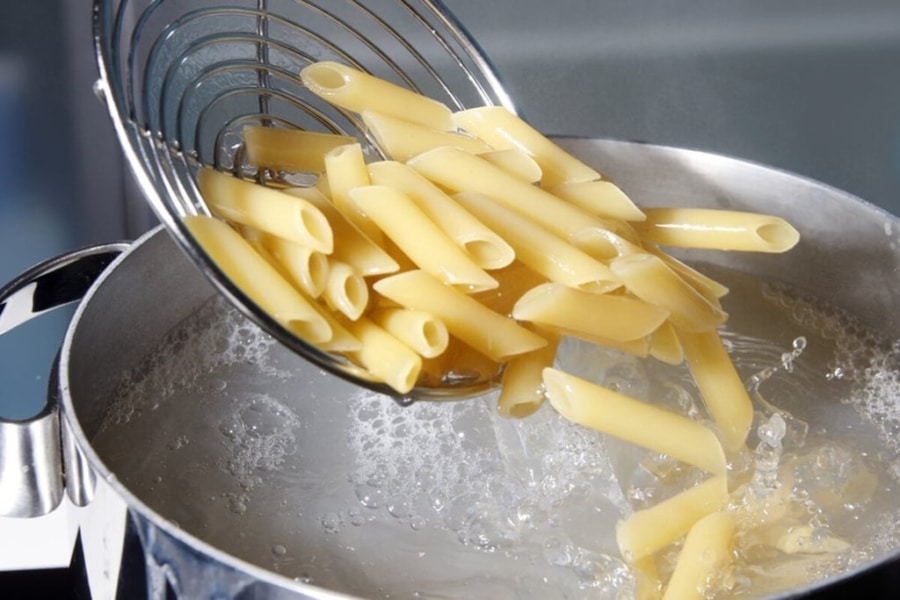
Why Your Pasta Water Should Taste Like the Sea: Salting Secrets
If you’ve ever wondered why your homemade pasta dishes don’t quite match the flavor of your favorite Italian restaurant, the answer might be simpler than you think. It’s not about expensive ingredients or complicated techniques—it’s about properly salting your pasta water. This fundamental step, often overlooked or timidly executed by home cooks, makes the difference between bland noodles that need drowning in sauce and perfectly seasoned pasta that tastes delicious on its own.
The Golden Rule: Taste Like the Sea
Professional chefs and Italian grandmothers alike swear by one rule: your pasta water should taste like the sea. Not slightly salty. Not “well-seasoned.” It should taste intensely, unmistakably salty—like you’ve just taken a gulp of ocean water. While that might sound excessive, this level of salinity is exactly what your pasta needs to develop proper flavor from the inside out.
Most home cooks dramatically under-salt their pasta water, adding a tentative sprinkle or single tablespoon to a large pot. This timid approach produces pasta that tastes flat and one-dimensional, forcing you to compensate with excessive sauce or additional seasoning at the table. Properly salted pasta water, on the other hand, seasons the noodles themselves as they cook, creating a foundation of flavor that elevates the entire dish.
The Science Behind the Salt
When pasta cooks in well-salted water, something magical happens. The salt doesn’t just sit on the surface—it penetrates the pasta as it hydrates and swells during cooking. This internal seasoning is impossible to achieve after cooking, no matter how much salt you add to your finished dish. You can always add more sauce, more cheese, or more garnishes, but you cannot retroactively season the pasta itself.
The general guideline calls for about one to two tablespoons of salt per pound of pasta in four to six quarts of water. Yes, that’s tablespoons, not teaspoons. When you measure it out, it will look like an alarming amount of salt. Trust the process. Remember that most of this salt stays in the cooking water that you’ll drain away—only a portion actually gets absorbed by the pasta.
Timing Matters
Add your salt after the water comes to a boil, not before. While adding salt earlier won’t significantly affect the boiling point (contrary to popular belief), waiting until the water boils ensures the salt dissolves completely and distributes evenly. Once you’ve added the salt, give the water a stir and taste it. Yes, actually taste it with a spoon. If it doesn’t make you pucker slightly from the salinity, add more.
The Pasta Water Exception
Here’s an important consideration: if you’re planning to use pasta cooking water in your sauce—and you absolutely should—you might want to moderate your salt slightly. That starchy, salty pasta water is liquid gold for creating silky, cohesive sauces that cling perfectly to your noodles. If your water is extremely salty and you add a cup of it to your sauce, you might over-season the final dish.
The solution? Start with generously salted water, taste your sauce as you add pasta water, and adjust accordingly. Most experienced cooks find a middle ground where the pasta water is very salty but not quite “ocean-level,” giving them flexibility when building sauces.
What About the Sauce?
Properly salted pasta water actually allows you to use less salt in your sauce. Since the pasta itself carries flavor, your sauce doesn’t need to be aggressively seasoned to compensate for bland noodles. This creates better balance and allows the other flavors in your dish—garlic, herbs, vegetables, or cheese—to shine through rather than competing with excessive sauce seasoning.
Breaking the Fear of Over-Salting
Many home cooks fear over-salting because they’ve experienced unpleasantly salty dishes. However, under-salted pasta water rarely leads to over-salted pasta. The noodles can only absorb so much salt, and the excess washes away when you drain them. What feels like a shocking amount of salt in the pot translates to perfectly seasoned pasta on the plate.
Start by measuring out the recommended amount—one to two tablespoons per pound of pasta—and cook a batch. Taste the plain pasta before adding sauce. If it tastes good on its own with just a touch of olive oil, you’ve nailed it. If it tastes flat or bland, use more salt next time.
The Takeaway
Transforming your pasta dishes from ordinary to exceptional doesn’t require expensive ingredients or advanced techniques. It simply requires the courage to properly salt your pasta water. Embrace the “taste like the sea” philosophy, measure with confidence rather than fear, and taste as you go. Your pasta will thank you, your sauces will sing, and you’ll finally understand why this simple step matters so much.
The next time you boil water for pasta, remember: if you’re not questioning whether you’ve added too much salt, you probably haven’t added enough. And if you’d love to learn more about the art and craft of pasta-making, check out our upcoming pasta classes here.
Published: Oct. 20, 2025
ABOUT THE CULINARY CENTER OF KANSAS CITY
Founded in 1996, The Culinary Center of Kansas City is the Midwest’s premier culinary arts center dedicated to food, wine, and culinary education. Located in a historic restored buggy barn in downtown Overland Park, Kansas, the CCKC offers cooking classes, interactive events, private dining experiences, team-building programs, and a curated Kitchen Shop. For more information, visit kcculinary.com or call 913-341-4455.
Contact: Darren Palmet, Co-owner of The Culinary Center of Kansas City | 913-341-4455 | darren@kcculinary.com